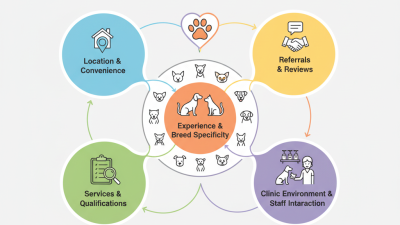
Why Choose an Affordable Vet for Quality Pet Care?

Choosing an affordable vet does not mean accepting rushed appointments, unclear advice, or limited medical care. For many pet owners, cost matters because vaccinations, dental checks, blood tests, and emergency visits can quickly strain a household budget. A responsible clinic understands this pressure while protecting the animal’s welfare.

An affordable vet should offer qualified professionals, clear pricing, and treatment recommendations based on the pet’s actual condition. For example, a veterinarian might explain why a senior dog needs bloodwork before anesthesia, then provide an itemized estimate for the procedure. That transparency helps owners make informed decisions without feeling forced. It also reflects professional standards, including careful examinations, accurate records, safe medication use, and appropriate follow-up.

Quality care is not measured by price alone.

Still, affordability can be difficult to judge. A low consultation fee may exclude essential tests, while a higher fee may include more complete support. Pet owners should ask about credentials, clinic protocols, payment options, and what happens after treatment. Reviews can help, but they are not a substitute for professional communication or veterinary oversight. It is also worth admitting that no clinic gets every interaction perfect. Delays, confusing explanations, or unexpected costs can occur, and honest clinics should respond openly when they do. The best choice balances reasonable pricing with medical competence, compassion, and dependable follow-up. In that setting, an affordable vet becomes more than a budget option; it becomes a practical partner in maintaining a pet’s long-term health.

Why Choose an Affordable Vet for Quality Pet Care?

What Defines an Affordable Veterinarian?

An affordable veterinarian is not simply the clinic with the lowest invoice. Affordability means clear fees, practical treatment choices, and no surprise charges after consent. A trustworthy clinic explains examination costs before touching your pet. It may provide written estimates for vaccines, dental cleaning, blood tests, or surgery. Ask what each service includes. This detail protects both sides.

Professional quality still matters. A licensed veterinarian should maintain current training and explain recommendations in plain language. During a visit, careful questions about appetite, stool, breathing, medications, and behavior reveal real experience. I have seen owners focus on price while missing a pet’s worsening pain. That mistake is understandable, but it deserves reflection. A lower fee is not affordable if delayed care creates a larger problem.

Good affordable care often starts with prevention. Vaccination plans, parasite control, weight checks, and early dental advice can reduce future costs. Reliable veterinarians also discuss alternatives, risks, expected recovery, and when referral is necessary. They should never pressure an owner into a service without time for questions. Ask about payment timing and urgent-care limits before an emergency occurs. My preference is simple: honest communication, documented credentials, and a plan I can follow at home.

How Affordable Vets Maintain Quality Standards

Affordable pricing does not have to mean rushed examinations or thinner medicine cabinets. Quality appears in routine details: clean tables, calibrated scales, clear consent forms, and documented follow-up. Accreditation guidance from the American Animal Hospital Association evaluates more than 900 clinical and operational standards, including anesthesia safety, medical records, and infection control. Affordable clinics can meet these expectations through checklists, preventive scheduling, and transparent treatment plans.

The 2023–2024 U.S. Pet Ownership and Industry Report estimated that 66% of American households have a pet. That scale makes accessible care important. A lower consultation fee may reflect efficient inventory management, shared equipment, or simpler facility design—not missing medicine. It should never mean skipping pain assessment, diagnostic reasoning, or emergency instructions. Ask for an itemized estimate. Ask what happens after closing time.

Reliable teams explain options in plain language and record weight, temperature, medications, and test results consistently. The American Veterinary Medical Association’s practice guidance also emphasizes informed consent, accurate records, and responsible antimicrobial use. These habits protect animals more than polished interiors do. Still, price alone proves nothing. No clinic is perfect. A low-cost service deserves questions, not automatic trust; an expensive service deserves them too. Look for licensed professionals, visible hygiene routines, realistic timelines, and follow-up contact when a pet’s condition changes. Short appointments can still be careful. Oversights can happen. That is why quality systems must be repeatable, documented, and open to review.

Why Choose an Affordable Vet for Quality Pet Care? - How Affordable Vets Maintain Quality Standards

Quality Dimension How Affordable Veterinary Practices Control Costs Quality Standard or Evidence to Look For Value for Pet Owners
Veterinary qualifications Use licensed veterinary professionals and clearly define which tasks are performed by veterinarians, veterinary technicians, and assistants. The practice displays current professional credentials and follows applicable veterinary licensing and scope-of-practice requirements. Lower prices do not require reducing the professional standard of diagnosis, treatment, or patient supervision.
Preventive care Offer vaccination, parasite prevention, wellness examinations, and dental guidance as planned services instead of relying only on emergency treatment. Recommendations are based on the pet’s age, lifestyle, medical history, geographic risks, and exposure level. Early detection and prevention can reduce the likelihood of more complex and expensive illness later.
Diagnostic testing Use step-by-step testing guided by the physical examination and clinical signs rather than ordering every available test automatically. The veterinarian explains why a test is recommended, what it can identify, and how the result may change treatment. Pets receive medically relevant testing while owners avoid unnecessary diagnostic expenses.
Medication safety Maintain standard prescribing checks and provide generic medication options when clinically appropriate and legally permitted. Medication instructions include the dose, frequency, duration, storage requirements, possible adverse effects, and follow-up guidance. Transparent medication choices can lower costs without compromising correct dosing or monitoring.
Surgical and anesthesia safety Schedule appropriate procedures efficiently and use standardized pre-anesthetic assessments and monitoring protocols. The plan addresses patient history, physical status, pain management, airway monitoring, vital signs, recovery observation, and discharge instructions. Efficient scheduling reduces overhead while structured monitoring protects patient safety.
Infection prevention Use repeatable cleaning, disinfection, sterilization, hand hygiene, and waste-disposal procedures. Reusable instruments are appropriately cleaned and sterilized, examination areas are disinfected between patients, and contaminated materials are handled safely. Efficient infection-control systems help prevent avoidable complications without requiring premium pricing.
Pricing transparency Use standardized service menus, bundled preventive-care options, and written estimates before non-emergency treatment. Estimates identify examination fees, tests, procedures, medicines, taxes where applicable, and possible additional charges. Owners can compare options and make informed decisions without unexpected costs.
Record keeping and follow-up Maintain digital or organized medical records and use scheduled reminders for vaccinations, rechecks, and chronic-care monitoring. Records include examination findings, diagnoses, treatments, laboratory results, vaccination history, and follow-up recommendations. Continuity of care reduces duplicated tests and helps identify changes in health earlier.
Client communication Use clear explanations, written instructions, and tiered treatment discussions that distinguish essential care from optional services. The veterinarian explains benefits, risks, alternatives, expected outcomes, and the consequences of delaying care. Good communication supports shared decision-making and prevents cost-driven misunderstandings.
Referral and emergency planning Maintain referral relationships and provide clear instructions when a case requires advanced imaging, hospitalization, specialist care, or emergency treatment. Referral decisions are based on the pet’s medical needs, available equipment, urgency, and the practice’s clinical capabilities. A lower-cost clinic can remain affordable while ensuring complex cases receive an appropriate level of care.

Quality indicator: affordability should reflect efficient operations, transparent choices, and preventive planning—not the removal of essential safety procedures or professional oversight.

Key Services Offered by Budget-Friendly Veterinary Clinics

Choosing an affordable veterinarian does not mean accepting second-rate care. Budget-friendly clinics often provide skilled, practical treatment for everyday pet needs. Experienced veterinary teams begin with wellness examinations, where they check weight, teeth, skin, heart sounds, and movement. These details can reveal early health concerns before they become expensive emergencies.

Vaccinations and parasite prevention are common services. Clinics may also offer microchipping, nutrition guidance, nail trimming, and basic laboratory testing. A simple blood test can help assess organ function before a procedure. Dental examinations are valuable too, especially when a pet has bad breath, swollen gums, or trouble chewing. Many affordable practices perform routine surgeries, such as sterilization, wound repair, and lump removal. They should explain risks, pain control, recovery steps, and expected costs clearly.

Ask what is included in each consultation. A low examination fee may not cover tests, medication, or follow-up visits. Reliable veterinarians provide written estimates and discuss safer alternatives when appropriate. Some clinics also offer payment plans or staged testing, depending on local rules and clinic policy. I have noticed that busy low-cost practices can sometimes feel rushed. That is worth considering. Bring your pet’s medical records and write down changes in appetite, drinking, breathing, or behavior. Honest communication helps the veterinarian make better decisions. No clinic gets every decision perfect, but careful examination, clear records, and timely follow-up make affordable care more dependable.

Why Choose an Affordable Vet for Quality Pet Care?

Budget-friendly veterinary clinics can provide essential preventive and routine services at accessible prices. The chart shows typical midpoint costs for common veterinary services in the United States; actual fees vary by location, pet size, and medical needs.

Typical U.S. price estimates based on commonly reported veterinary service ranges. Prices are illustrative and may differ by clinic.

How to Evaluate an Affordable Vet’s Qualifications

Why Choose an Affordable Vet for Quality Pet Care?

How to Evaluate an Affordable Vet’s Qualifications

An affordable vet should offer more than a low consultation fee. Check whether the veterinarian holds a current license and follows local clinical regulations. Ask about education, continuing training, and experience with your pet’s species, age, and medical needs. A clinic treating senior cats may need different expertise from one serving puppies.

Clear communication matters. During a visit, the vet should explain the diagnosis, treatment choices, likely costs, and possible risks in plain language. Request a written estimate before non-urgent procedures. Reliable clinics also describe payment expectations without pressure. Watch how staff handle your animal. Calm voices, clean examination tables, and careful restraint reveal practical experience.

Look deeper.

Ask how medical records are stored and how follow-up care works. A qualified vet should explain when to call again and where emergencies are handled after hours. You can also check professional reviews, but do not trust ratings alone. Speak with local pet owners when possible, and notice whether the clinic welcomes reasonable questions. I once judged a clinic mainly by its price, then realized the rushed explanations created more uncertainty. Low cost is useful only when safety and communication remain strong. Even experienced professionals can miss details, so a clinic that welcomes second opinions may be more trustworthy.

Ways Affordable Veterinary Care Supports Pet Health

Affordable veterinary care can protect pet health when it improves access, not when it removes essential medicine. A licensed veterinarian should still examine the animal, explain risks, and recommend appropriate tests. According to the American Pet Products Association’s 2024 State of the Industry Report, U.S. owners spent about $39.8 billion on veterinary care and pet products in 2024. That figure shows how significant routine care has become, but rising costs can delay visits for some families.

Accessible clinics may support earlier vaccinations, dental checks, parasite prevention, and chronic disease monitoring. Early attention can mean fewer emergency symptoms later. A practical clinic may offer clear estimates, staged treatment plans, or follow-up guidance. These options help owners make informed decisions without confusing lower prices with lower standards. Still, affordability alone is not proof of quality. I would ask about diagnostic limits, pain control, medical records, and referral procedures. Small details matter.

Tips: Request an itemized estimate before treatment. Ask which services are essential today. Keep vaccination and medication records together. Watch your pet’s appetite, breathing, movement, and bathroom habits. Do not wait when symptoms worsen. A cheaper visit that misses a serious condition may cost more emotionally and financially. Even experienced owners sometimes postpone care too long. That is worth reconsidering.